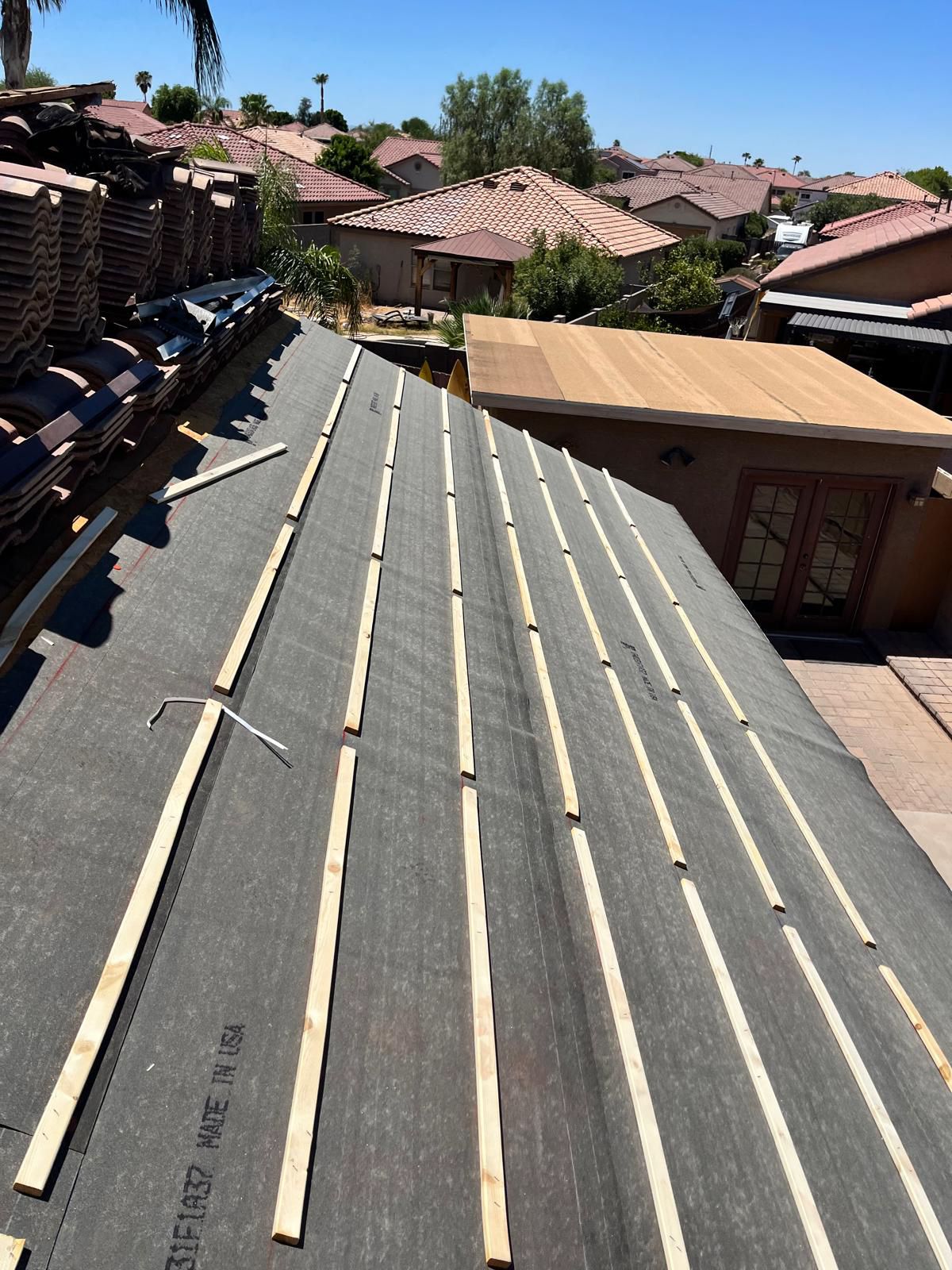
Tile underlayment replacement in Mesa reuses the tile you already own. Here is what the work involves, what we find underneath and how to know when it is time.
Concrete tile in the Valley can last fifty years or more, while the felt underneath it lasts roughly half that, and the gap between those two numbers is the reason tile underlayment replacement in Mesa is one of the most common projects Blackline Roofing and Contracting takes on.
It is also one of the least understood by the homeowners who need it, largely because the part that fails is the part nobody can see.
Twenty Years Is The Number Worth Watching
Tile does not waterproof a roof, it shades and shields the layer that does, taking the sun and deflecting the bulk of the rain so that the material beneath it can do the actual work. That work happens on a membrane fastened to the decking, where water that blows past or around the tile lands and runs off the roof the way it was designed to.
Arizona heat is what shortens the membrane’s life, since attic temperatures cook it from underneath while the sun works on the tile above, and older felt based products generally reach the end of their run somewhere between twenty and twenty five years in this climate.
So if your home went up in the late nineties or the early two thousands and still carries its original underlayment, the calendar alone is worth taking seriously. A great many houses across Mesa and Gilbert sit in exactly that window right now.
The Signals That Show Up First
Leaks that move around are the clearest indication, because a leak appearing in the same spot after every rain points to one identifiable defect such as a cracked tile or a failed flashing joint, and that is a repair rather than a replacement.
When a leak turns up in a different room after each storm, the situation is different, since a membrane that has broken down across the whole roof lets water use whichever weak point suits the conditions that day.
Debris gives you another clue, as deteriorated felt disintegrates over time and homeowners frequently find dark papery flakes collecting in the gutters and assume it is ordinary yard litter blown down from the trees.
The shape of the roof matters too, because tile courses that have gone wavy where they once ran straight usually mean the decking beneath has softened from long term moisture, and that tells you water has been getting through for years rather than months.
What A Lift And Relay Involves
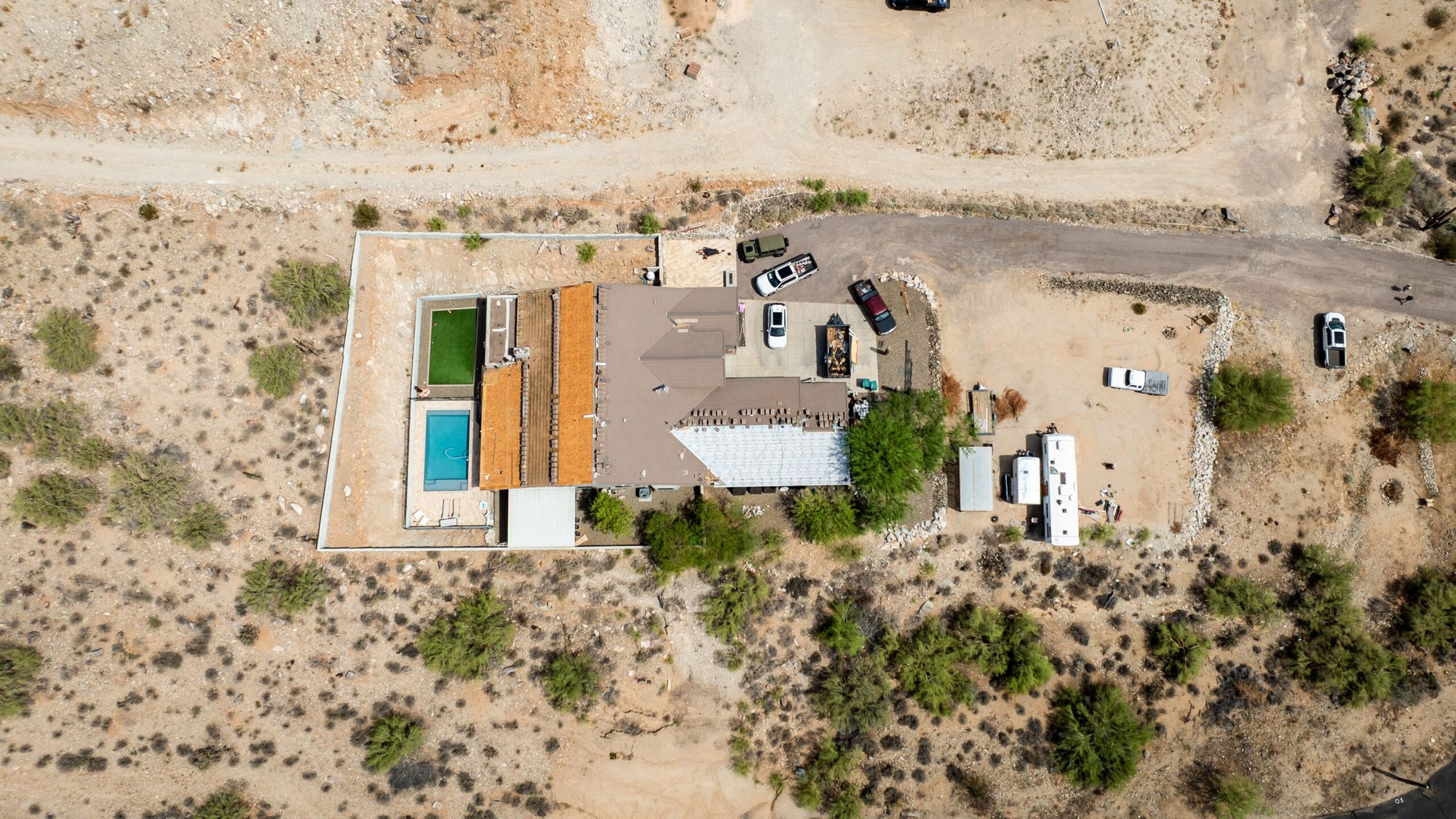
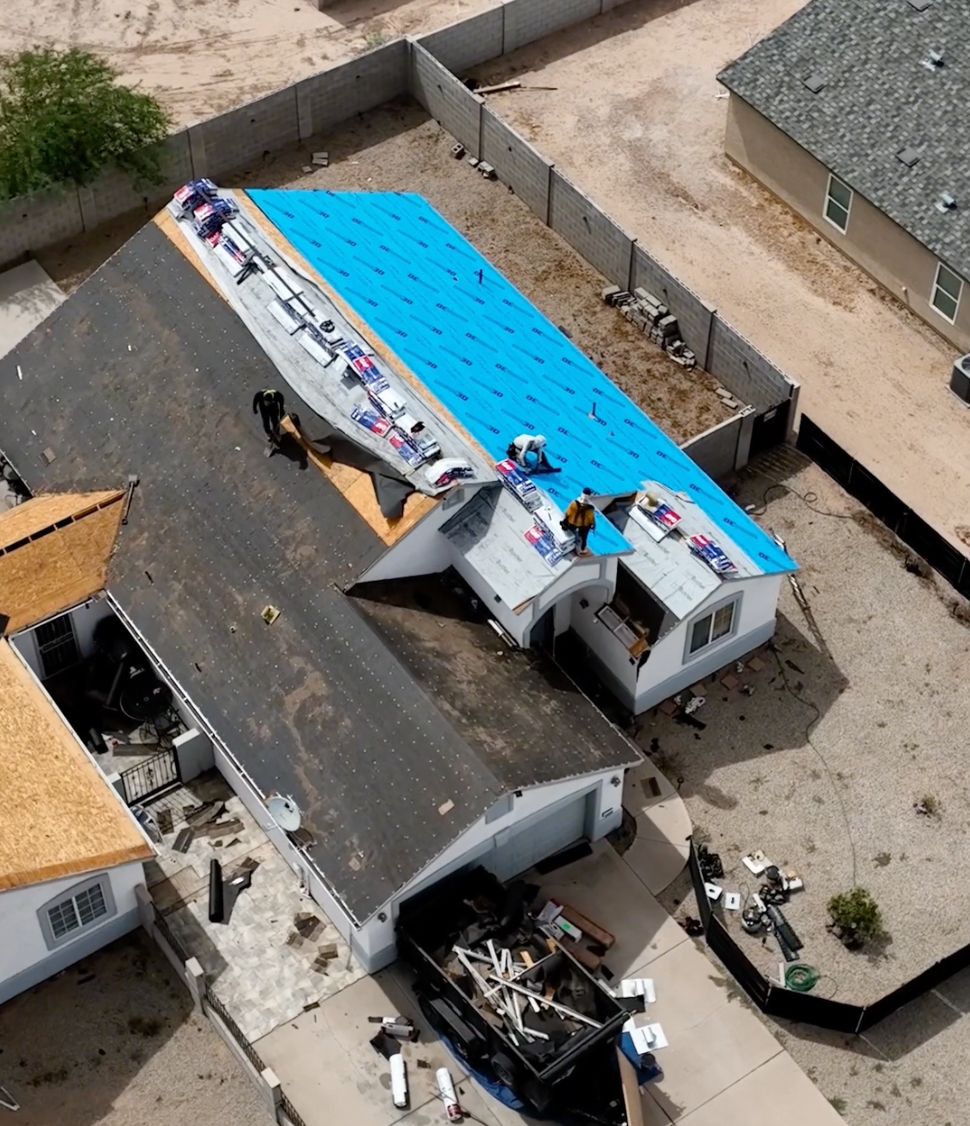
The project is often called a tile lift and relay, and the name describes it accurately, since the tile comes off, the roof gets rebuilt underneath it, and the same tile goes back on when the work is finished.
Removal comes first, with tiles taken up by hand and stacked either on the roof or staged on the ground depending on the layout, and how carefully that step is handled determines how much replacement tile you end up paying for.
Once the old underlayment comes off, the decking becomes visible for the first time in two decades, and any sheathing that has gone soft gets cut out and replaced before a single new layer goes down.
New underlayment then covers the full roof surface along with new flashing at every penetration and transition, because flashing is where most leaks begin and putting old metal back over a fresh membrane undoes a good portion of the project. The tile goes back on last, with broken pieces swapped for matching stock, and from the street the house looks exactly as it did before.
What We Usually Find Under There
Rusted or undersized flashing turns up constantly, particularly around older skylights and at the transitions where a roof meets a vertical wall.
Decking damage tends to cluster in predictable places, and valleys, the area below chimneys and any section beneath a flat roof transition are where water has usually been collecting quietly for years without producing an obvious leak.
We also find a lot of previous repair work, and roof cement smeared across a problem area is a reliable sign that somebody treated the symptom from above without ever seeing what was happening below.
No contractor can promise what sits under a tile roof before the tile comes off, but they can tell you honestly how decking replacement will be handled if it turns up, and that conversation belongs at the estimate rather than mid project.
Reusing Your Tile Is The Whole Point
Tile is the most expensive material on the roof, and in a lift and relay it is already sitting there in serviceable condition, which is what separates this work from a full roof replacement.
You are paying for labor, new underlayment and new flashing instead of an entirely new roof system, and the result is another full underlayment cycle out of tile you already own. Done properly, a roof that was leaking into three rooms goes back to being something you stop thinking about for decades.
Questions To Ask Before You Hire Anyone
Ask how the tile will be handled during removal, since careless stacking creates breakage that you end up paying to replace, and ask whether new flashing is included in the scope, because if it is not then the most common leak points on your roof are being left exactly as they were.
Ask what happens if the decking turns out to be damaged, and get that answer before the tile comes off rather than after, when the crew is already on the roof and the pressure is on to decide quickly.
Finally, ask to see photographs of your own roof before you agree to anything, because any residential roofing company should be able to show you the condition their recommendation rests on.
Timing And Cost Considerations
Fall through spring is the practical window for this work in the Valley, since crews move faster in moderate temperatures and the roof is open during the months least likely to bring heavy rain.
There is also real value in going before a leak forces the decision, because once water has been coming in for a season, decking repair and interior drywall work get added to a project that would otherwise have stayed entirely on the roof.
Financing is available for qualifying projects, which gives homeowners a way to handle failing underlayment on their own schedule rather than waiting for a ceiling stain to make the call for them.
Find Out What Is Under Your Tile
A tile roof can look flawless from the curb while the membrane keeping water out of your house has nothing left to give, and the tile itself will never tell you which situation you are in.
We work on tile roofs throughout Mesa and the East Valley, and every project starts with getting up there and photographing what is actually happening. Reach out to schedule an inspection and we will show you every layer rather than just the one you can see from the yard.