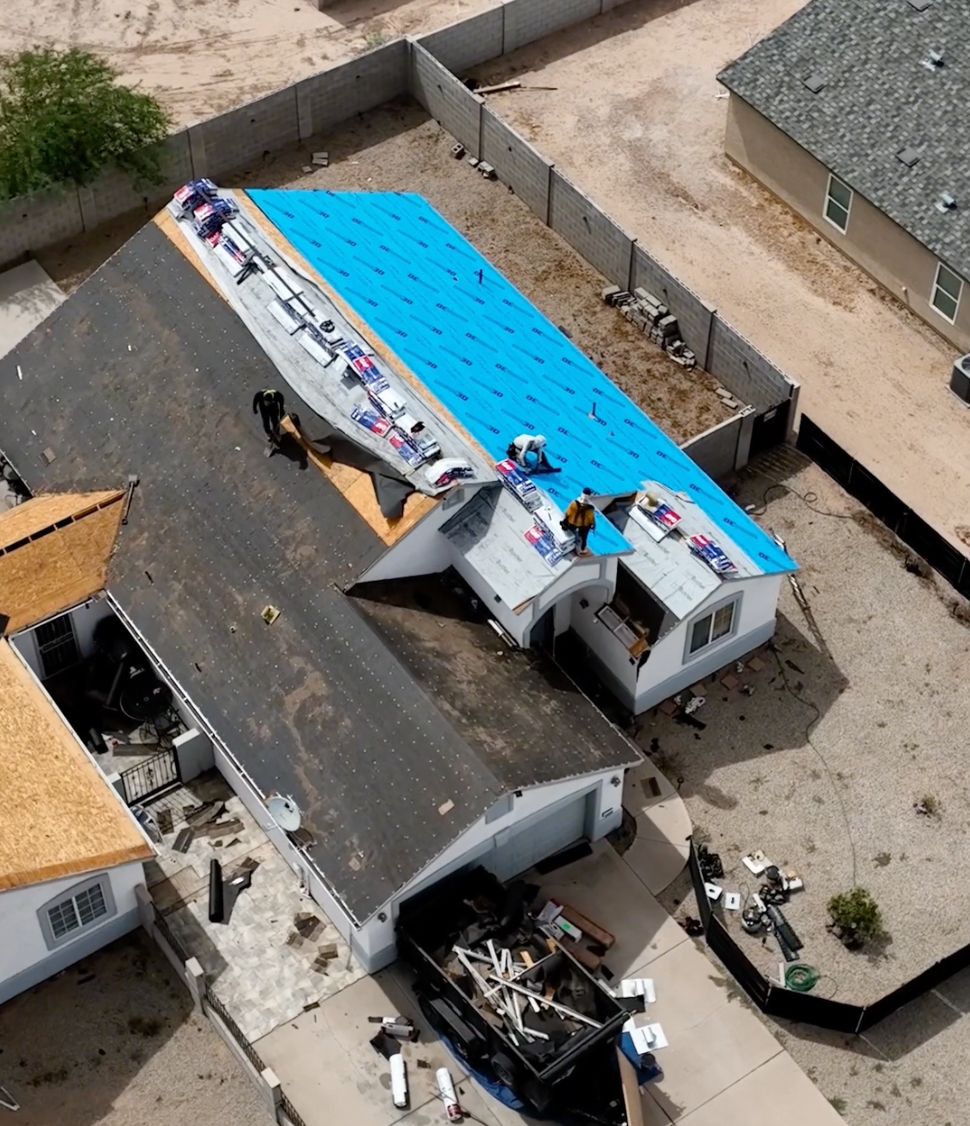
The best time of year to replace a roof in Phoenix runs October through May. Here is how heat, monsoon season and scheduling change the job month by month.
In most of the country, winter is the season that shuts roof work down, while here it is the season that makes the work go smoothly. That reversal catches people off guard when they start researching a replacement.
The best time of year to replace a roof in Phoenix runs from October through May, and the reasoning has far less to do with crew comfort than with how roofing materials behave when the decking is sitting at one hundred and sixty degrees.
Why Summer Is Our Difficult Season
Asphalt softens in extreme heat, so a shingle that would take foot traffic without complaint in November scuffs and sheds granules in July, before the roof has seen a single drop of rain. Sealants and adhesives carry specified working temperature ranges as well, and Valley summers push past the top of many of them, which means products applied in those conditions can cure differently than the manufacturer intended.
The working day shrinks too, because roof surfaces run considerably hotter than the surrounding air, so summer crews start before dawn and stop by midday and a two day job stretches across four.
None of that makes summer replacement impossible, and Blackline Roofing and Contracting completes plenty of it every year with early starts and careful material handling. There is simply no reason to choose those conditions when your timeline has any flexibility at all.
Monsoon Season Adds A Variable Nobody Needs
Arizona monsoon season runs from roughly the middle of June through the end of September, and every roof replacement includes a stretch where the deck is open and the only thing protecting the house is a tarp.
Storms in that season arrive with very little warning, so crews secure the roof at the end of each working day as standard practice, and while that approach works, it is a risk that disappears entirely once October comes around.
Scheduling also gets harder during those months, because crews get pulled onto emergency leak repairs after every significant storm and planned projects have to move around them.
The Valley Calendar
October Through December
This is the strongest window of the year, with temperatures back in a comfortable working range, monsoon season finished and winter rain still ahead. It is also the busiest stretch we see, since everyone who took damage over the summer books during these weeks, so calling early is the difference between choosing your date and accepting whatever is left.
January Through March
Winter in Phoenix stays entirely workable, though cool mornings occasionally push the start of a day back an hour and shingles take a little longer to seal down when the temperature drops. Neither is a real obstacle, and availability tends to improve through this period, so a flexible timeline often means a faster start.
April Through May
Spring gives you the last comfortable window before summer arrives, with stable conditions and monsoon season still weeks away. Homeowners who spent the winter thinking it over tend to move during these months, so getting ahead of that wave matters if you want the work finished before June.
June Through September
Summer work gets done and gets done properly, it just carries the most to work around in terms of heat, storms and shortened days. Emergencies never check the calendar anyway, so an active leak or fresh storm damage gets handled the week it happens regardless of the month.
How Long The Job Actually Takes
A shingle replacement on a typical Valley home runs one to three days from tear off through final cleanup, assuming nothing unexpected turns up underneath.
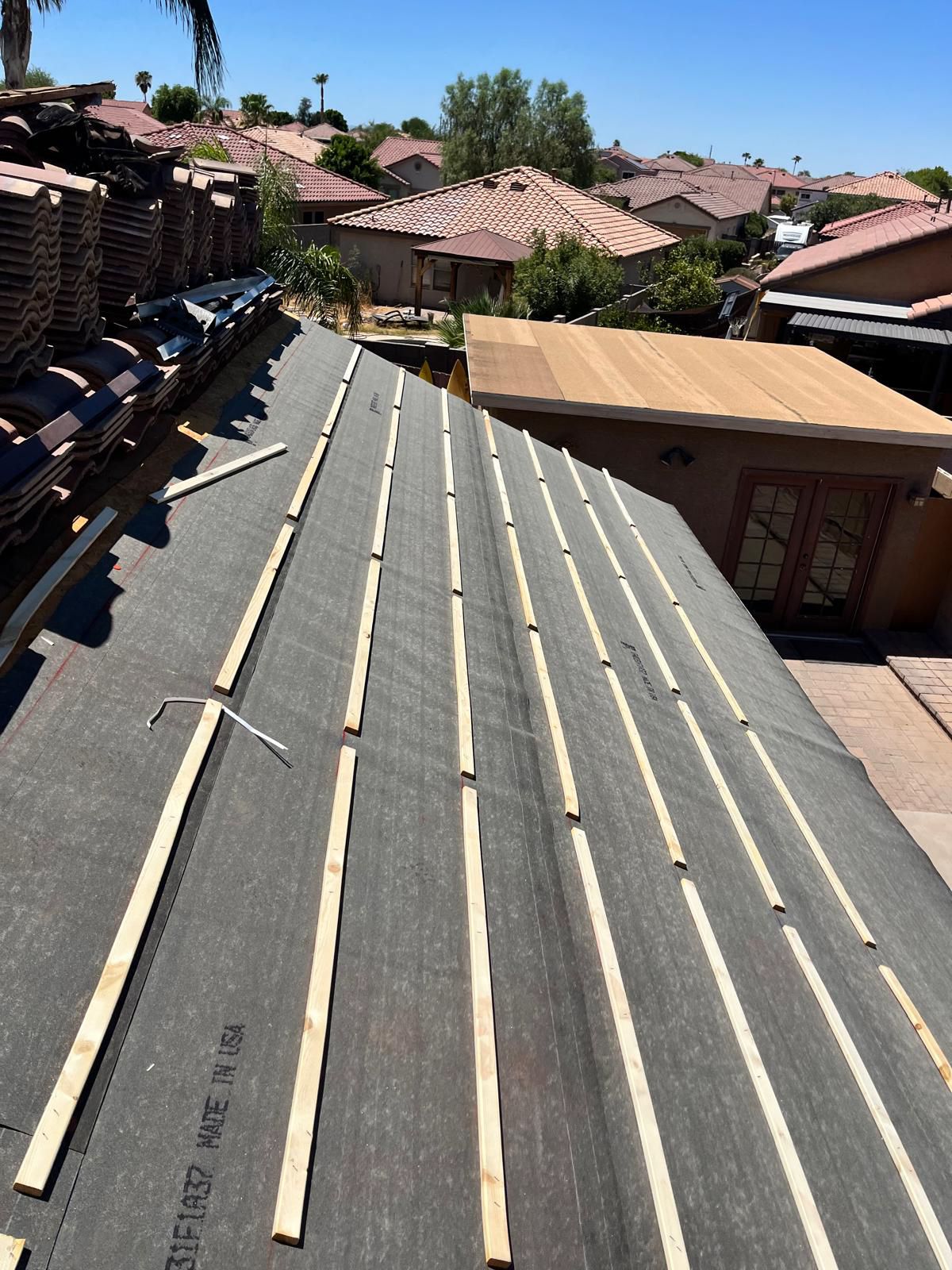
Tile takes noticeably longer, because removing tile, rebuilding the roof beneath it and setting the tile back down is slower work by nature, and a full tile project often runs closer to a week depending on the size and complexity of the roof.
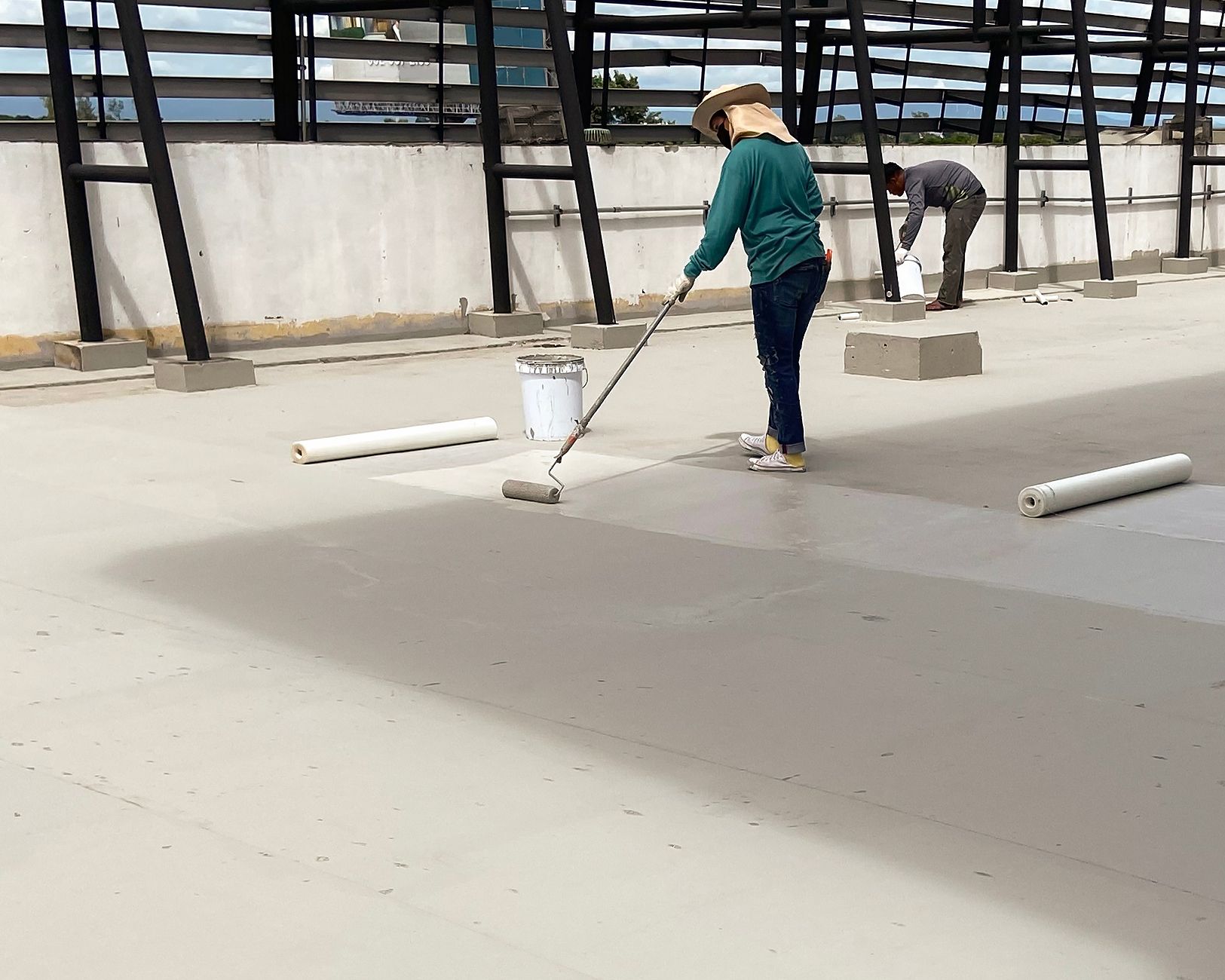
Foam and coating systems depend on weather more than either of those, since application requires a dry surface and moderate temperatures, which is one more reason the cooler months suit flat and low slope projects.
What Usually Causes A Delay
Decking is the most common surprise on any replacement, because nobody knows the condition of the sheathing until the old roof comes off, and damaged sections have to be cut out and replaced before anything new goes down.
HOA approval catches homeowners out more often than you would think, as some Valley communities require material and color sign off before work can begin and that process runs on its own timeline rather than yours.
Material availability occasionally matters as well, particularly for specific tile profiles or discontinued colors that have to be sourced to match an existing roof, and permits add days even when everything about them is routine.
When The Timing Advice Stops Applying
Everything above assumes a roof that still has life left in it, because a roof leaking right now is a different situation entirely and waiting five months for a better season costs more than the timing ever saves.
Water damage compounds quietly while you wait, adding wet insulation, softened decking and stained drywall to a scope that would have been limited to the roof itself.
Financing exists partly for that reason, since qualifying replacements can be financed so a failing roof gets addressed on a workable schedule instead of getting pushed into another monsoon season on the hope that it holds one more year.
Know Where You Stand Before You Book
The homeowners who come out of a replacement happiest are almost always the ones who knew the roof was near the end and picked their own month, and an inspection is what makes that possible. Finding out you have three years left is every bit as useful as finding out you have one.
Commercial properties gain even more from the lead time, since coordinating work on an occupied building around operating hours takes planning that an emergency will never allow.
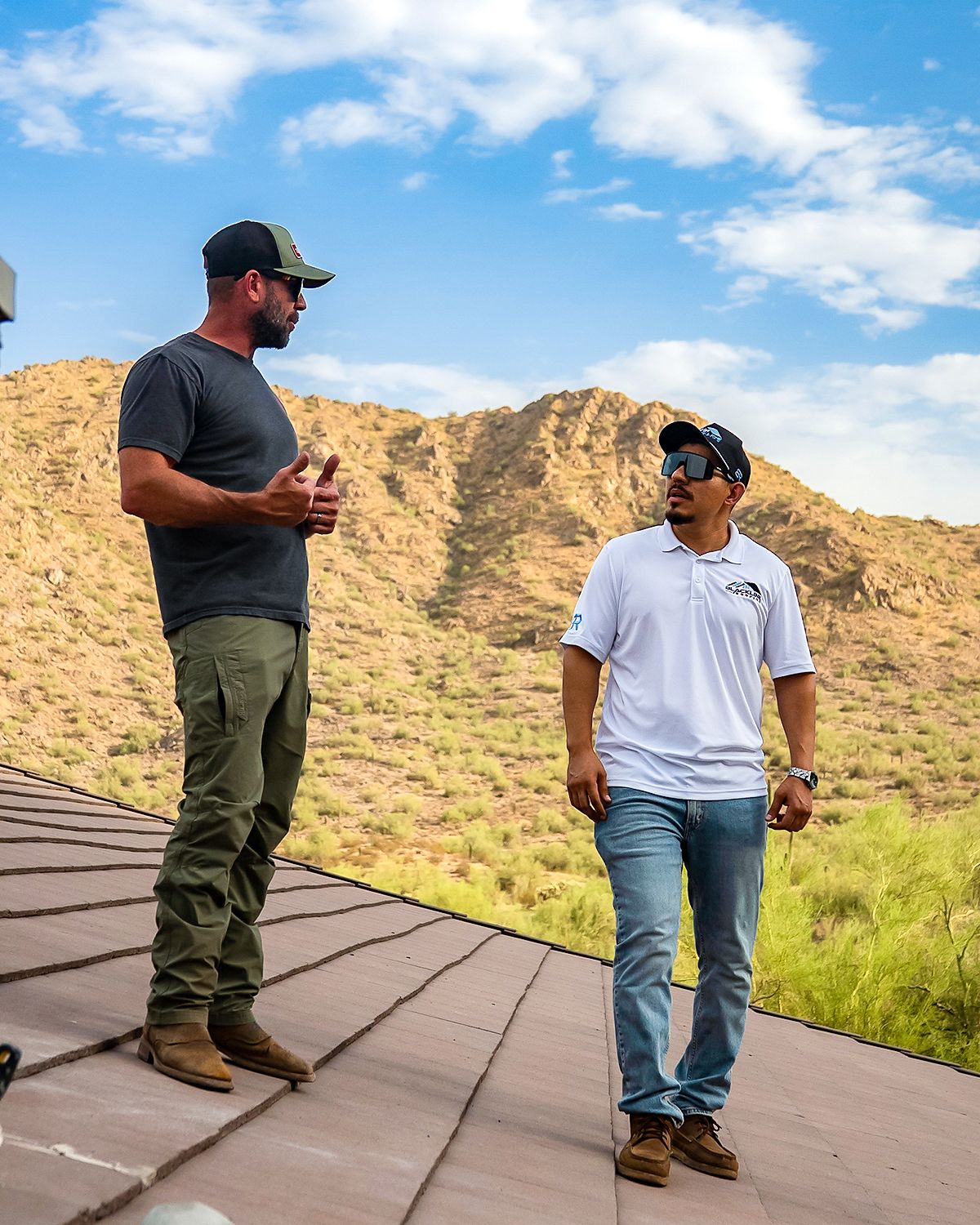
Contact us and we will get on the roof, document its condition and tell you honestly whether this is the season to do something about it.