
Services
Foam Roofing in Mesa, AZ
Spray polyurethane foam roofing for homes and commercial buildings across Mesa, Phoenix, Tempe, and the surrounding Valley.
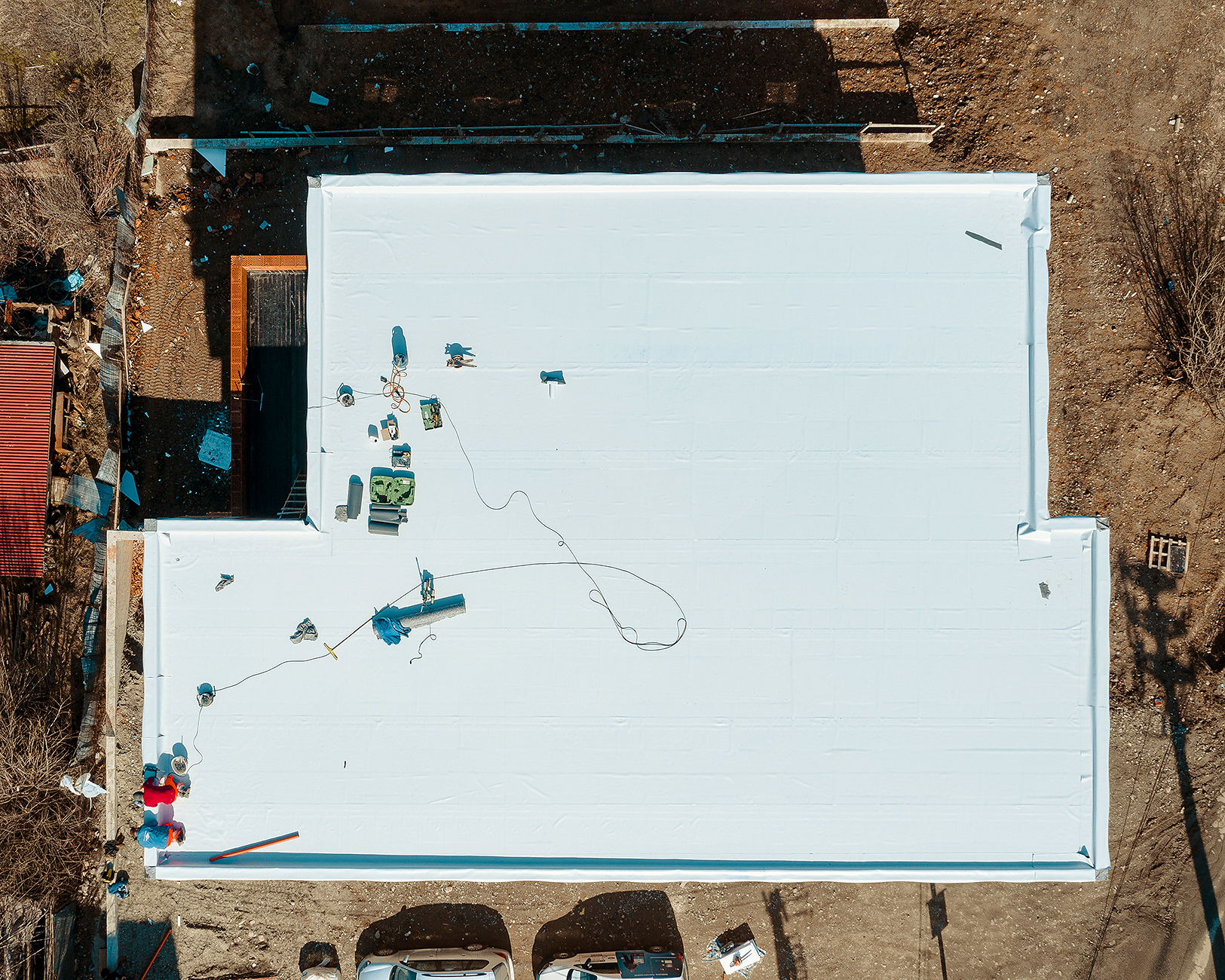
Mesa, Arizona
Seamless Roofing With Insulation Built Into It
Foam is one of the more common low slope systems in the Valley, and it behaves differently from anything else we work on. Whether your foam roof is due for a recoat or you are looking at it as an option for a flat section that keeps leaking, our team inspects the surface and photographs its condition before recommending a direction. Foam works because it is seamless, and it lasts because the coating over it gets maintained.
Seamless Application
Adds Insulation Value
Recoating and Repair
What We Handle
Foam Roofing Services
Spray foam roof installation on low slope and flat sections
Foam repair for punctures, blisters, and damaged areas
Recoating existing foam systems before the substrate is exposed
Tapering to correct drainage and eliminate ponding
Sealing around penetrations, curbs, and parapets
Condition assessments on existing foam roofs

The System
How Foam Roofing Works
Spray polyurethane foam is applied as a liquid that expands within seconds into a solid, closed cell layer bonded directly to the roof deck. Because it goes down as a continuous surface rather than as sheets or panels, there are no seams, laps, or fasteners for water to work through, which is the main reason it performs well on roofs with complicated shapes or a lot of penetrations.
The foam also adds insulation, which matters more here than in most climates. A layer of foam between the sun and the building slows heat transfer in a way a membrane sitting on decking does not.
Foam can be sprayed thicker in low areas to build slope where a roof has settled, which is often the practical fix for ponding on an older flat roof.
Maintenance Cycle
The Part People Miss About Foam
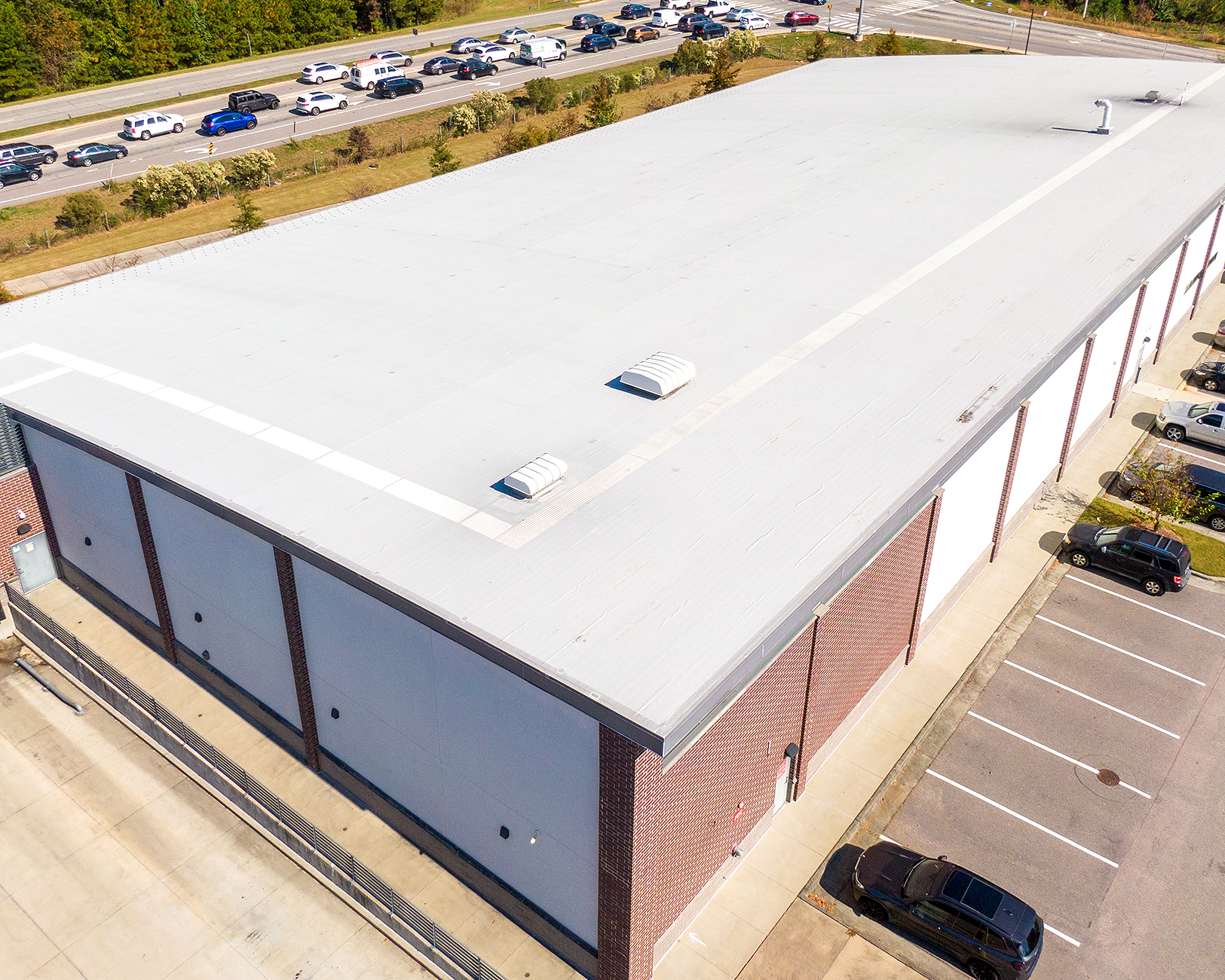
Foam does not tolerate sunlight. Left exposed, ultraviolet light degrades the surface steadily, and once the foam itself starts breaking down the repair becomes considerably more involved.
That is why every foam roof is finished with a protective coating, usually acrylic, and why foam is best understood as a system with a maintenance cycle rather than a one time installation. The coating wears, gets recoated, and the foam underneath stays protected indefinitely. Handled that way, a foam roof can outlast most alternatives.
Handled the other way, by waiting until leaks appear, you end up replacing foam that a recoat would have preserved. More on roof coatings.
Know the Signs
Signs Your Foam Roof Needs Attention
Coating that has thinned, chalked, or worn through to the foam below
Blisters or soft spots in the surface
Punctures from foot traffic, dropped tools, or equipment service
Exposed foam that has turned brittle or darkened
Water standing in low areas after rain
Cracking or separation around penetrations and parapet walls
Service Areas
Where We Work on Foam Roofs
East Valley
Phoenix Area
West Valley
FAQS
Common Questions
How Often Does a Foam Roof Need Recoating?
It depends on the coating, the thickness applied, and how much sun that particular roof takes. Recoating is part of owning a foam roof rather than a sign something went wrong, and an inspection will tell you where yours is in that cycle.
Can Foam Go Over My Existing Roof?
Sometimes. Foam bonds to a sound, dry, properly prepared substrate. If what is underneath is saturated or deteriorated, it has to come off first, and an inspection determines that.
Does Foam Really Help With Cooling Costs?
Foam adds insulation value that a single ply membrane does not, and a reflective coating on top sends a portion of the solar load back. How much difference that makes depends on the building.
Is Foam Good for Ponding Water?
It is one of the better options, because foam can be built up in low areas to restore slope rather than simply covering the problem.
What Happens if Foam Gets Punctured?
Isolated punctures are straightforward to repair as long as they are caught before water travels. This is a good reason to have foam roofs looked at after any rooftop equipment service.
Book a Foam Roof Inspection
Whether the roof needs a recoat, a repair, or a full system, the answer starts with someone getting up there and looking.